
Air Conditioner Running Costs: How Much Do Aircon Installation Costs Add Up?
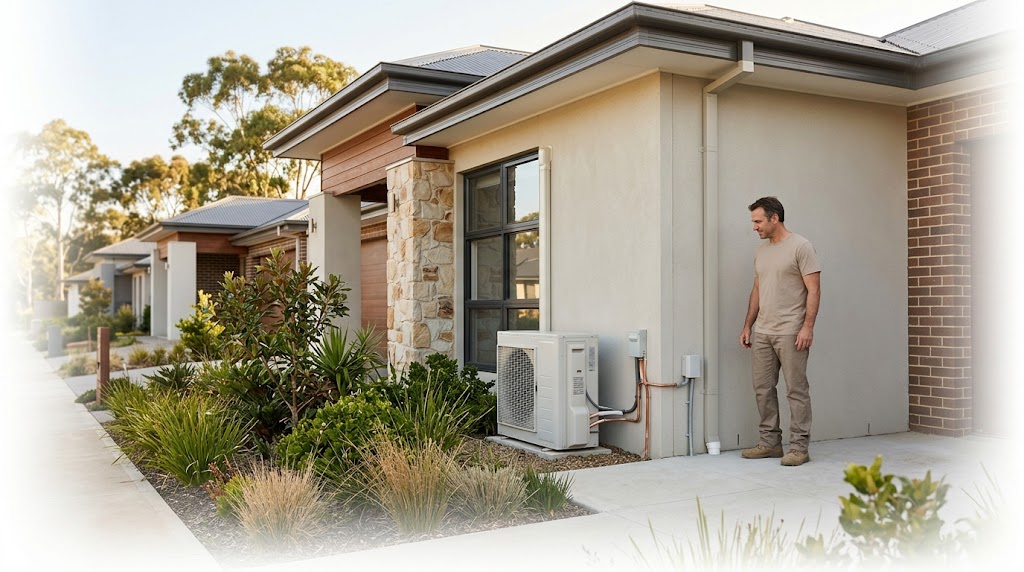
What Does It Actually Cost to Run and Install an Air Conditioner in Australia?
Most Australians shopping for air conditioning are really asking two separate questions: what are the aircon installation costs upfront, and what will the unit add to my power bill every month? Both matter, and both can catch you off guard if you go in without a clear picture. This article covers real figures for split systems and ducted units, grounded in current conditions. With electricity rates averaging around $0.40 per kWh nationally in 2025, the running cost numbers here reflect what Australians are actually paying right now.
The short answer is that a small split system might cost you under $2,000 fully installed and less than $50 a month to run, while a whole-home ducted system can top $10,000 installed and add several hundred dollars to your quarterly bill. The gap between those two scenarios is wide, so the details matter. Read on for a full breakdown of both cost types, with real product prices as reference points.
Key takeaways
- Aircon installation costs range from $1,600 for small split systems to over $12,000 for ducted systems.
- Running costs depend on unit capacity, inverter efficiency and your local electricity rate.
- A 5kW split system typically costs $0.40–$0.60 per hour to run at the national average rate.
Aircon Installation Costs: What to Expect in 2025
Understanding the full cost of an air conditioner means looking beyond the sticker price on the unit itself. Installation labour, electrical work and site-specific factors can easily double what you pay at the point of purchase. Browse our range of split system air conditioners to get a feel for unit prices before factoring in installation. The table below gives a realistic picture of total installed costs across the three most common system types.
| System Type | Unit Cost (Supply Only) | Typical Installation Cost | Total Installed Cost |
|---|---|---|---|
| Small split system (2.5kW–3.5kW) | $989–$1,400 | $600–$900 | $1,589–$2,300 |
| Large split system (5kW–7.1kW) | $1,697–$2,500 | $800–$1,200 | $2,497–$3,700 |
| Ducted system (8.5kW–14kW) | $4,017–$6,500 | $3,000–$6,000+ | $7,017–$12,500+ |
As a real-world anchor for the small split row, the Daikin 2.5kW Inverter Split System LITE FTXF25WVMA retails at $989 for supply only. For the large split row, the Daikin 5kW Inverter Split System CORA FTXV50WVMA comes in at $1,697. For ducted, the Daikin 10kW Inverter Ducted Air Conditioner FDYAN100 is priced at $4,017 for the unit alone before any installation work is factored in.
These figures assume a standard single-storey installation with a straightforward pipe run and no new electrical circuit required. Costs can shift considerably if any of those conditions change.
What Affects the Installation Price?
Several variables push installation quotes up or down, and knowing them helps you compare quotes fairly and avoid surprises on the day.
- Pipe run length. Most standard installations include up to three metres of refrigerant pipe between the indoor and outdoor units. Beyond that, expect to pay roughly $50–$100 per additional metre. A unit mounted on a second-storey wall with the compressor at ground level can easily add $200–$400 to the job.
- New electrical circuit. If your switchboard needs a dedicated circuit for the air conditioner, a licensed electrician will need to run new cabling. This typically adds $300–$600 to the total, and older homes with full switchboards may need a board upgrade on top of that.
- Multi-storey homes. Working at height requires additional equipment and time. Installers generally charge a premium of $150–$300 for second-storey work, and some jobs require scaffolding.
- Wall type. Drilling through brick or double-brick walls takes longer and wears out drill bits faster. Expect a $100–$200 surcharge compared to a standard timber-framed wall.
- Regional labour rates. Installation in Sydney or Melbourne typically costs more than in regional areas. Remote locations may also attract a travel fee. Always get at least two quotes from local installers to benchmark the going rate in your area.
For ducted systems, the complexity multiplies. Ceiling space access, the number of zones, duct runs through multiple rooms and the need to cut and patch plasterboard all contribute to why ducted installation quotes vary so widely. A straightforward single-zone ducted install in a new build is a very different job to retrofitting a zoned system into an established home.
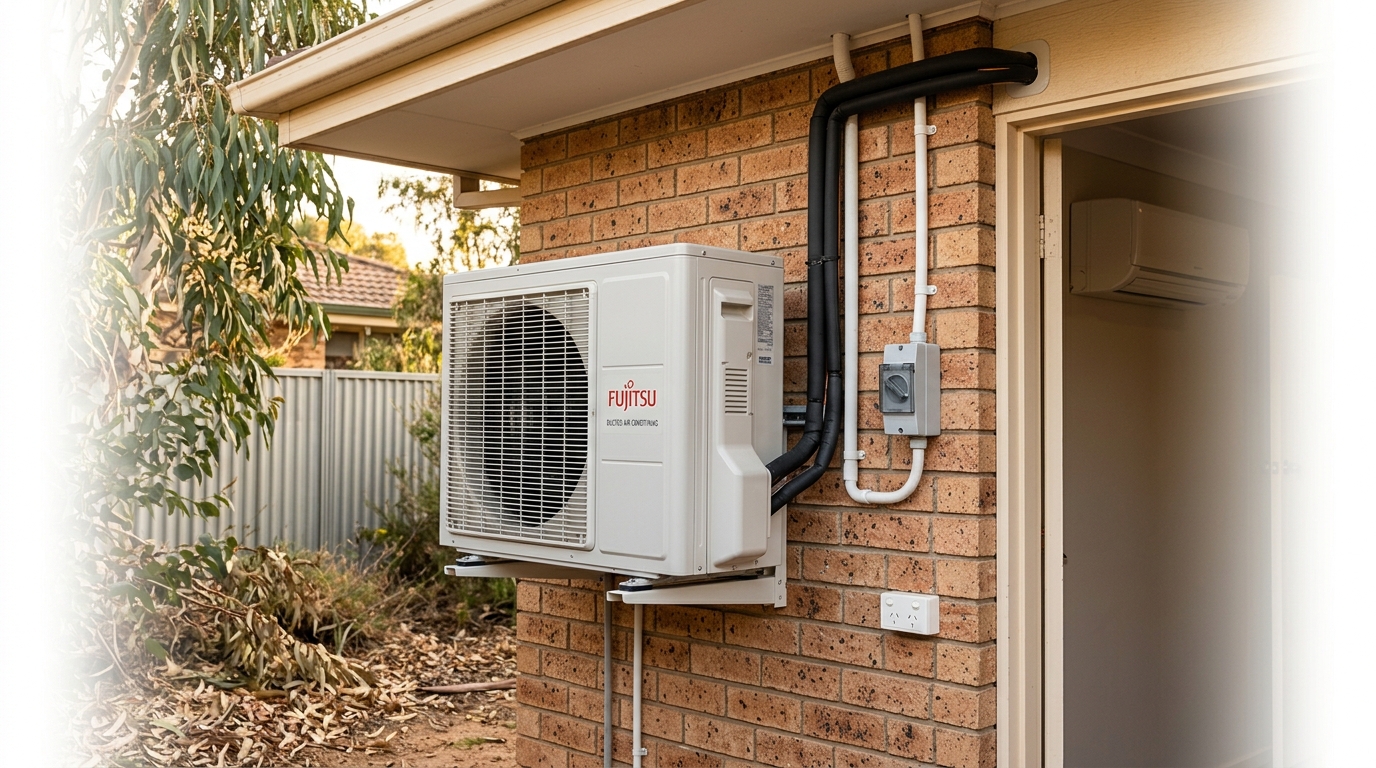
How Much Does It Cost to Run an Air Conditioner?
Air conditioner running costs in Australia depend on three things: the unit's capacity in kilowatts, how efficiently it converts that capacity into cooling or heating, and your local electricity rate. The formula is straightforward: running cost per hour equals the unit's capacity (kW) multiplied by a power input factor (typically 0.3 to 0.5 for a modern inverter unit) multiplied by your electricity rate in dollars per kWh. At the national average of $0.40/kWh, a well-sized inverter split system is far cheaper to run than most people expect.
Inverter technology is the key reason actual running costs sit well below what the rated capacity might suggest. Rather than cycling on and off at full power, an inverter compressor ramps up and down to match the room's demand. In practice, a 5kW unit like the Daikin 5kW Inverter Split System CORA FTXV50WVMA ($1,697 supply) rarely draws its full rated input for more than the first 10 to 15 minutes of operation.
Here are three worked examples using the national average rate of $0.40/kWh:
- 2.5kW split system: Typical power draw of 0.55–0.87kW gives a running cost of roughly $0.22–$0.35 per hour.
- 5kW split system: Typical power draw of 1.0–1.5kW gives a running cost of roughly $0.40–$0.60 per hour.
- 10kW ducted system: Typical power draw of 2.5–4.0kW gives a running cost of roughly $1.00–$1.60 per hour.
Electricity prices vary significantly by state. South Australia and Western Australia sit around $0.34/kWh, while south-east Queensland can be as low as $0.20/kWh, which makes a real difference to annual bills. A high energy star rating also matters: choosing a unit with a strong star rating can cut running costs by 20–30% compared to a lower-rated model of the same capacity.
Annual Running Cost Estimates by System Size
The table below uses typical Australian usage patterns of around eight hours per day across three months of cooling and three months of heating, giving roughly 1,440 hours of annual operation. Costs are calculated at the national average of $0.40/kWh. The Daikin 10kW Inverter Ducted Air Conditioner FDYAN100 ($4,017 supply) is used as the reference point for the ducted row.
| System Size | Avg. Hourly Cost | Est. Annual Hours | Est. Annual Cost |
|---|---|---|---|
| 2.5kW split system | $0.22–$0.35 | 1,440 | $317–$504 |
| 5kW split system | $0.40–$0.60 | 1,440 | $576–$864 |
| 10kW ducted system | $1.00–$1.60 | 1,440 | $1,440–$2,304 |
Keep in mind that ducted systems serving a whole home will typically run longer hours than a single-room split system, so real-world annual costs for ducted can push toward the higher end of that range or beyond it in larger homes.
Tips to Reduce Your Air Conditioning Running Costs
Small adjustments to how you use your air conditioner can cut your electricity bill by a meaningful amount each year, without sacrificing comfort. The biggest gains come from thermostat discipline, regular maintenance and making sure the unit is not working harder than it needs to.
Set the thermostat to the right temperature. For cooling, aim for 24–26°C. For heating, 18–20°C is the sweet spot. Every degree you push beyond these ranges adds roughly 5–10% to your running costs. Setting the cooling to 20°C instead of 25°C does not make the room cool faster. It just makes the unit run longer and harder once it gets there.
Use timer and sleep modes. Most modern split systems let you programme a start and stop time. Setting the unit to switch off 30 minutes after you fall asleep and restart 20 minutes before you wake up can shave hours off your daily runtime without any noticeable drop in comfort. Sleep mode also gradually adjusts the temperature overnight to avoid overcooling.
Clean your filters regularly. A clogged filter forces the unit to work harder to push air through, which can increase energy consumption by up to 15%. Most residential split system filters should be rinsed under warm water every four to six weeks during heavy use. It takes five minutes and costs nothing.
Seal gaps around doors and windows. Air conditioning a room with a gap under the door or a poorly sealed window frame is like trying to fill a bucket with a hole in it. Draught-proofing strips cost under $20 from any hardware store and can make a noticeable difference to how quickly a room reaches temperature.
Run ceiling fans alongside the AC. A ceiling fan set to rotate anti-clockwise in summer pushes cool air down and helps distribute it evenly. This lets you set the thermostat two to three degrees higher while maintaining the same perceived comfort level, which directly reduces running costs.
Use zoning on ducted systems. If you have ducted air conditioners with zone control, close off rooms that are not in use. Conditioning the whole house when only two rooms are occupied is one of the most common sources of unnecessary running costs in Australian homes.
Choose the right-sized unit. An undersized unit runs continuously without reaching the set temperature, while an oversized unit short-cycles and never properly dehumidifies the space. Both scenarios waste energy. If you are shopping for a new unit, Daikin split systems are a strong benchmark for efficiency across a range of room sizes, with inverter technology that handles variable loads well.
Choosing the Right System to Balance Upfront and Ongoing Costs
Aircon installation costs are a one-off expense, but running costs accumulate over 10 to 15 years of ownership. A unit that costs $500 more upfront but uses 25% less electricity each year will typically pay back that difference within three to four years and save you hundreds more over its lifespan. Buying on purchase price alone is rarely the most cost-effective decision.
Matching system capacity to room size is just as important as choosing an efficient model. An oversized unit short-cycles and never properly dehumidifies the space. An undersized unit runs flat out without ever reaching the set temperature. Both outcomes waste electricity and put unnecessary wear on the compressor. Getting the capacity right from the start is the single most effective way to keep both upfront and ongoing costs in check.
Before you buy, use our AC size calculator to find the right capacity for your room. Then browse our full range of split systems to compare models, energy ratings and prices across all major brands. If you are considering a whole-home solution, our ducted range covers systems suited to everything from a three-bedroom home to a large open-plan build.
Frequently Asked Questions
How much does it cost to install an air conditioner in Australia?
A standard split system installation in Australia typically costs between $600 and $1,200 for labour, on top of the unit's purchase price. Total installed costs generally range from around $1,600 for a small 2.5kW split system to over $12,000 for a fully zoned ducted system. Factors like pipe run length, wall type and whether a new electrical circuit is needed can push costs higher.
What is the 3-minute rule for air conditioners?
The 3-minute rule refers to waiting at least three minutes before restarting an air conditioner after switching it off. Restarting too quickly can cause the compressor to kick in against high refrigerant pressure, which puts strain on the motor and can shorten the unit's lifespan. Most modern inverter systems have built-in delay protection, but it is still good practice to wait before cycling the unit back on.
Can air conditioning affect blood pressure?
Prolonged exposure to very cold air conditioning can cause blood vessels to constrict, which may temporarily raise blood pressure in some people. This is more of a concern in environments where the thermostat is set well below 20°C for extended periods. Keeping your cooling set to a moderate 24 to 26°C reduces this risk and also lowers your running costs.
How much does it cost to install a split system air conditioner?
Installing a split system air conditioner in Australia typically costs $600 to $1,200 for a standard single-storey installation with a straightforward pipe run. The total cost including the unit itself generally falls between $1,600 and $3,700 depending on the system's capacity and brand. Additional costs apply for longer pipe runs, second-storey installations, brick walls or new electrical circuits.
Need expert advice?
Our team can help you choose the right air conditioning system for your space.