
Best Heating for Home: Which Option Is Right for Your Australian Home?
Finding the Best Heating for Your Home in Australia
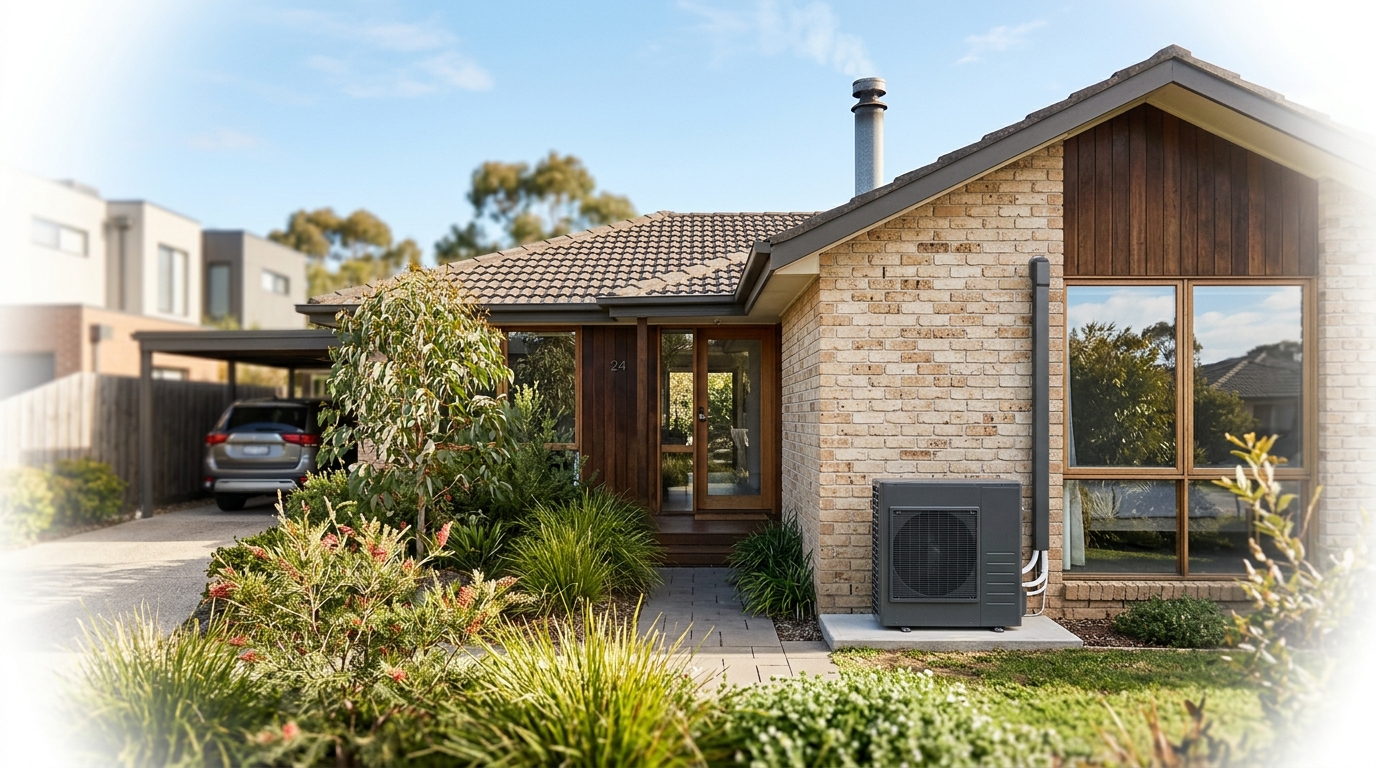
Finding the best heating for home use in Australia is not as straightforward as it sounds. A Melbourne homeowner dealing with damp, 5°C winters has very different needs to someone in Brisbane who only needs warmth for a few weeks a year, and both are a world away from Canberra households that regularly wake up to sub-zero mornings. Pick the wrong system and you will either overspend on upfront costs, get slugged with high running bills or simply end up cold.
This guide covers the five main heating options available to Australian homeowners: reverse cycle split systems, ducted reverse cycle, gas ducted heating, hydronic heating and portable electric heaters. By the end, you will know exactly which type suits your climate, home size and budget.
Key takeaways
- Reverse cycle split systems deliver the best heating for home use in most Australian climates.
- Ducted systems suit whole-home heating, while split systems work best for single rooms.
- Running costs vary significantly between heating types, with reverse cycle being the most efficient.
The 5 Main Heating Options for Australian Homes
Before committing to any system, it helps to see all five options side by side. Split system air conditioners running in reverse cycle mode are the most popular choice across the country, but they are not the right fit for every situation. The table below gives you a clear starting point for comparing upfront costs, running costs and suitability.
| Heating Type | Upfront Cost (AUD) | Running Cost | Best For | Heats Whole Home |
|---|---|---|---|---|
| Reverse Cycle Split System | $900 to $3,500+ (supply and install) | Low (3 to 5 star energy rating) | Single rooms or open-plan living areas | No (zone by zone) |
| Ducted Reverse Cycle | $5,000 to $15,000+ | Low to medium (depends on zoning) | Whole-home heating and cooling in one system | Yes |
| Gas Ducted Heating | $3,000 to $8,000 | Medium (gas prices vary by state) | Cold climates needing fast, powerful heat | Yes |
| Hydronic Heating | $8,000 to $20,000+ | Medium to high (depends on energy source) | New builds or major renovations in cold climates | Yes |
| Portable Electric Heater | $50 to $400 | High (direct electric resistance) | Occasional use, renters or single small rooms | No |
Reverse cycle systems dominate the Australian market for good reason. They do not just heat, they cool as well, which means one investment covers you year-round. In most Australian climates, a reverse cycle system delivers three to five units of heat energy for every one unit of electricity consumed, making it far cheaper to run than gas or direct electric alternatives over the long term. For the majority of households, a reverse cycle split system or ducted reverse cycle setup will be the most cost-effective choice across both seasons.
Reverse Cycle Split Systems: The Most Popular Home Heating Choice
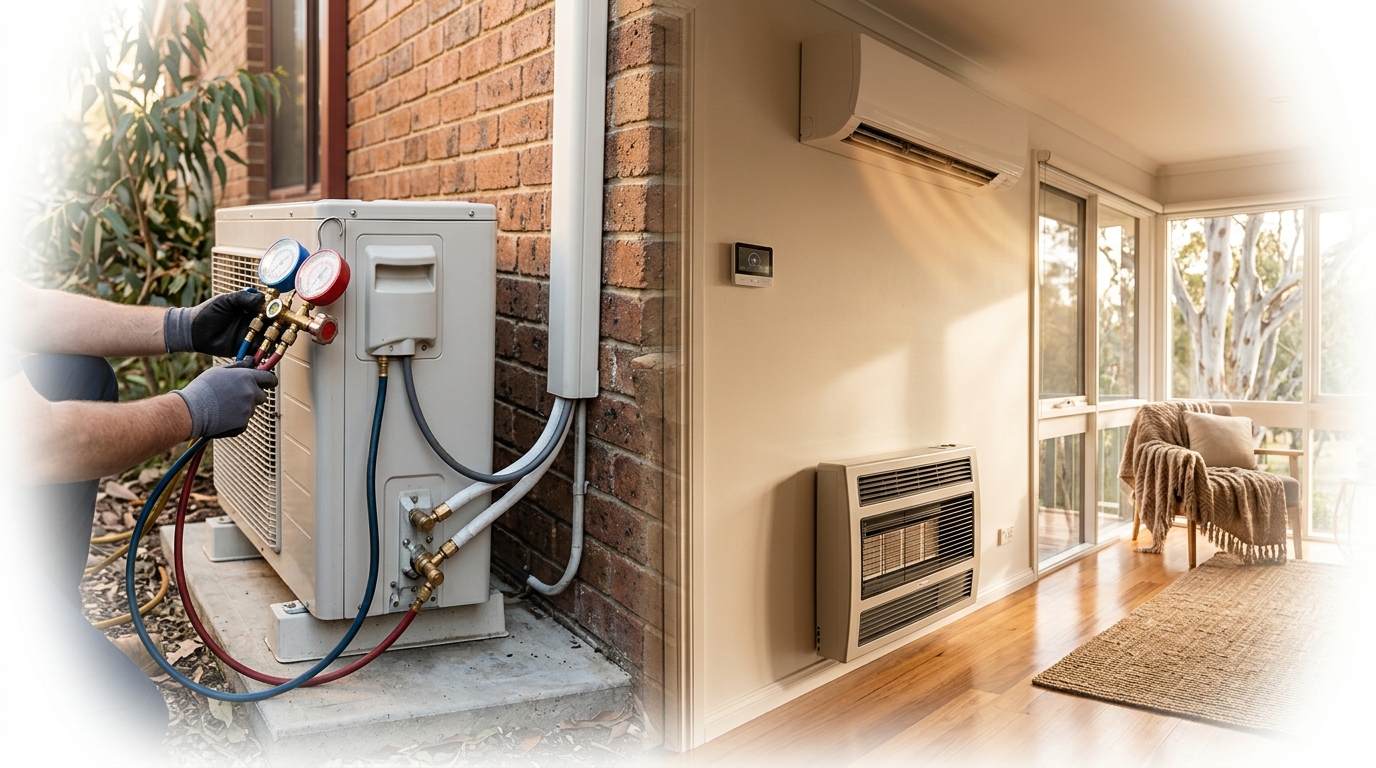
Reverse cycle split systems are the most popular home heating choice in Australia because they deliver three to five units of heat for every one unit of electricity consumed. This is possible because the system does not generate heat directly. Instead, it extracts warmth from the outside air using heat pump technology and transfers it inside, even when outdoor temperatures drop as low as -15°C. That efficiency ratio, known as the coefficient of performance (COP), makes reverse cycle the cheapest heating technology to run in most Australian homes.
Modern split systems use inverter technology, which means the compressor adjusts its speed continuously rather than switching on and off at full power. The result is a more consistent room temperature, quieter operation and lower electricity consumption compared to older fixed-speed units. Indoor units typically run at around 19 to 22 decibels on low fan speed, which is quieter than a normal conversation.
Energy efficiency star ratings give you a quick way to compare models before you buy. A higher star rating means lower running costs over the life of the unit. For a bedroom or study, a 2.5kW to 3.5kW unit with a solid star rating is usually sufficient. For open-plan living areas, you will want to step up in capacity and look for a model with a high heating star rating specifically, since Australian winters are the primary use case for most households.
Two reliable options worth considering are the Daikin 3.5kW Inverter Split System LITE FTXF35WVMA from $1,194 and the Mitsubishi Electric 5kW Split System AP Series MSZAP50VGKD from $1,653. The Daikin Lite is a solid entry-level pick for bedrooms and smaller living areas, while the Mitsubishi Electric AP Series suits larger rooms where you need more grunt without stepping up to a premium-tier unit. Both are available as Daikin split systems and Mitsubishi Electric models across the full range. Installation is also far simpler than ducted systems, typically requiring just a single day for a qualified installer to complete.
How to Choose the Right Capacity
Choosing the right kW capacity is the single most important decision you will make when buying a split system. A unit that is too small will run constantly, struggle to reach your target temperature and wear out faster. As a starting point, budget roughly 100 to 125 watts per square metre of floor space for a standard room with average insulation and ceiling height.
Three quick examples to guide you:
- A 15m² bedroom needs approximately 1.5 to 1.9kW, so a 2.5kW unit gives you comfortable headroom for cold mornings.
- A 30m² living room sits in the 3.0 to 3.75kW range, making a 3.5kW to 5kW unit the right bracket.
- An open-plan 50m² kitchen and living area requires 5.0 to 6.25kW, so a 6kW to 7.1kW unit is the appropriate choice.
Adjust upward if your ceilings are above 2.7 metres, your insulation is poor or you are in a cold climate zone such as Victoria, Tasmania or the ACT. Adjust downward slightly for well-insulated new builds in Queensland or coastal New South Wales. When in doubt, size up rather than down. Undersizing is the most common mistake homeowners make and it costs more in the long run.
Ducted Reverse Cycle: Whole-Home Heating Done Right
A ducted reverse cycle system heats and cools every room in your home from a single outdoor unit, making it the go-to solution for homeowners who want consistent comfort throughout the house without wall-mounted units in every room. The outdoor unit connects to a concealed indoor unit installed in the ceiling cavity or underfloor space, which then distributes conditioned air through a network of ducts and vents. The result is a clean, uncluttered interior with no visible hardware other than the ceiling or floor vents.
One of the biggest practical advantages of ducted air conditioners is zoning. Rather than heating the entire house at once, you can divide your home into zones and only condition the rooms that are actually in use. A family that spends evenings in the kitchen and living area can leave the bedrooms off until needed, which keeps running costs competitive with a well-placed split system setup. Zoning is particularly valuable in larger homes where heating unused rooms would otherwise waste significant energy.
The trade-off is upfront cost and installation complexity. Supply-only pricing starts at around $2,798 for the Daikin 5kW Inverter Ducted Air Conditioner FDYAN50, but total installed costs including ductwork, ceiling vents and commissioning typically land between $5,000 and $15,000 depending on home size and layout. Larger three-phase systems for homes above 200m² can push well beyond that. This is not a weekend DIY project. You need a licensed installer and, in most cases, a builder or plasterer involved if ductwork needs to be routed through existing ceiling cavities.
Ducted reverse cycle is best suited to new builds, major renovations or established homes above 150m² where the cost of multiple split systems would approach the same figure anyway. If you are building from scratch, having ductwork installed during construction is significantly cheaper than retrofitting it later. For existing homes, get at least two quotes and ask each installer to assess your ceiling space before committing.
Gas Ducted, Hydronic and Portable Heaters: When Do They Make Sense?
Gas ducted heating, hydronic systems and portable electric heaters each have a legitimate place in the Australian market, but for most homeowners they are either too expensive to install, too expensive to run or too limited in scope to be the right primary heating solution. Here is an honest look at where each one works and where it falls short.
Gas Ducted Heating
Gas ducted heating heats a whole home quickly and powerfully, which is why it remains popular in Victoria and South Australia where gas infrastructure is well established. Warm-up times are fast, and gas tariffs in some states have historically kept running costs competitive. The significant drawback is that gas ducted systems provide heat only. There is no cooling function, so you will still need a separate air conditioning solution for summer. Gas prices have also risen sharply in recent years and the long-term economics are increasingly uncertain, particularly as more households move toward electrification. If you already have a gas ducted system in good condition, maintaining it makes sense. Installing a new one from scratch is harder to justify.
Hydronic Heating
Hydronic heating circulates hot water through panels or underfloor pipes to radiate warmth gently and evenly across a room. It is silent, produces no air movement and is genuinely excellent for allergy sufferers because it does not circulate dust or allergens. The trade-off is cost. Installation typically runs from $8,000 to $20,000 or more, and lead times for quality systems can stretch to several months. Hydronic heating is best suited to new builds or major renovations where the system can be designed in from the start. Retrofitting it into an existing home is rarely practical or cost-effective.
Portable Electric Heaters
Portable electric heaters require zero installation and can be moved from room to room, which makes them appealing for renters or for heating a single small space occasionally. The problem is running cost. Portable heaters use direct resistance heating with a coefficient of performance of 1, meaning every kilowatt of electricity produces exactly one kilowatt of heat. Compare that to a reverse cycle split system delivering three to five kilowatts of heat per kilowatt consumed and the cost difference becomes significant very quickly. Portable heaters are a short-term fix, not a long-term heating strategy.
For the vast majority of Australian homeowners, reverse cycle remains the most practical and cost-effective choice. It heats, it cools and it does both efficiently. The sections below will help you work out exactly which reverse cycle setup suits your home.
How to Choose the Best Heating for Your Home: A Quick Decision Guide
Choosing the best heating for your home comes down to six practical questions covering your home size, existing infrastructure, budget, climate zone, running costs and whether you need year-round cooling. Work through the steps below in order and you will have a clear answer before you speak to an installer.
- Determine how many rooms need heating. If you need warmth in one or two rooms, a reverse cycle split system is almost always the right call. If you want consistent comfort throughout the whole house without wall-mounted units in every room, ducted reverse cycle is worth the higher upfront investment.
- Check your existing infrastructure. Do you have a gas connection, existing ductwork or suitable wall space for a split system indoor unit? Homes with existing ductwork in good condition may be able to retrofit a reverse cycle ducted system more affordably. Homes without ductwork will find split systems far cheaper to install.
- Set a realistic budget. Reverse cycle split systems start from around $989 supply-only for a basic unit, with installed costs typically from $1,500 to $2,500 for a single room. Ducted reverse cycle systems start from around $2,798 supply-only for the indoor and outdoor units, with total installed costs generally between $5,000 and $15,000. Factor in installation from the start, not as an afterthought.
- Consider your climate zone. Homeowners in Canberra, alpine Victoria, Tasmania or the Southern Tablelands of New South Wales need a unit rated for low ambient temperature operation. The Mitsubishi Electric split systems AP Series, for example, is rated to operate in temperatures as low as -15°C, making it a strong choice for cold-climate households. Not all split systems perform reliably below -5°C, so check the heating operating range before you buy.
- Factor in running costs using the energy star rating. The more stars, the lower your quarterly electricity bill. For a system you will run through a full southern Australian winter, even a half-star difference in the heating rating can translate to meaningful savings over the life of the unit. Compare the heating star rating specifically, not just the cooling rating.
- Decide whether year-round cooling matters. If you want one system that handles both winter heating and summer cooling, reverse cycle wins every time. Gas ducted and hydronic systems provide heat only, which means a separate cooling solution on top of the installation cost you have already paid.
Once you have worked through these steps, a licensed installer can confirm the right capacity for your specific situation. Factors like ceiling height, insulation quality, window area and room orientation all affect the final sizing calculation, and getting that right from the start will save you money on both the unit and your running costs for years to come.
Frequently Asked Questions
What is the cheapest heating to run in Australia?
Reverse cycle split systems are the cheapest heating to run in Australia for most households. They deliver three to five units of heat for every one unit of electricity consumed, which makes them significantly cheaper to operate than gas ducted systems, hydronic heating or portable electric heaters. Running costs vary by state electricity tariff, but a well-rated reverse cycle unit will consistently outperform every other heating type on a cost-per-kilowatt-hour basis.
Is reverse cycle heating cheaper than gas in Australia?
In most Australian states, reverse cycle heating is now cheaper to run than gas ducted heating. Gas prices have risen sharply in recent years and the efficiency advantage of reverse cycle heat pump technology means electricity-based heating costs less per unit of warmth delivered in most scenarios. The exception may be households in states with very low gas tariffs and high electricity rates, but even in those cases the gap has narrowed considerably.
What heating system is best for cold climates in Australia?
For cold climates such as Canberra, alpine Victoria, Tasmania and the Southern Tablelands, a reverse cycle split system or ducted reverse cycle system rated for low ambient operation is the best choice. Look for units with a heating operating range down to at least -10°C to -15°C. Models like the Mitsubishi Electric AP Series are specifically designed to perform reliably in these conditions and maintain strong heating output even on the coldest mornings.
How much does it cost to install ducted heating in Australia?
Ducted reverse cycle heating typically costs between $5,000 and $15,000 fully installed, depending on home size, layout and the complexity of the ductwork run. Supply-only pricing for the indoor and outdoor units starts from around $2,798 for a 5kW system. Larger homes above 200m² or properties requiring extensive ductwork through existing ceiling cavities can push total costs well beyond $15,000, so getting two or three quotes from licensed installers is strongly recommended.
Ready to Find the Right Heating System for Your Home?
For most Australian homes, a reverse cycle split system or ducted reverse cycle system offers the best combination of efficiency, year-round comfort and long-term value. Split systems suit single rooms and open-plan living areas, while ducted systems make sense for larger homes where whole-house comfort is the priority. The right choice ultimately comes down to your home size, budget and climate zone.
If you are ready to compare models and pricing, browse our full range of split system air conditioners to find the right capacity and brand for your home. Not sure which system or size is right for your situation? Our team is happy to help you work through the options before you commit to a purchase.
Need expert advice?
Our team can help you choose the right air conditioning system for your space.