
Heat Pump vs Air Conditioning: What's the Difference and Which Should You Choose?
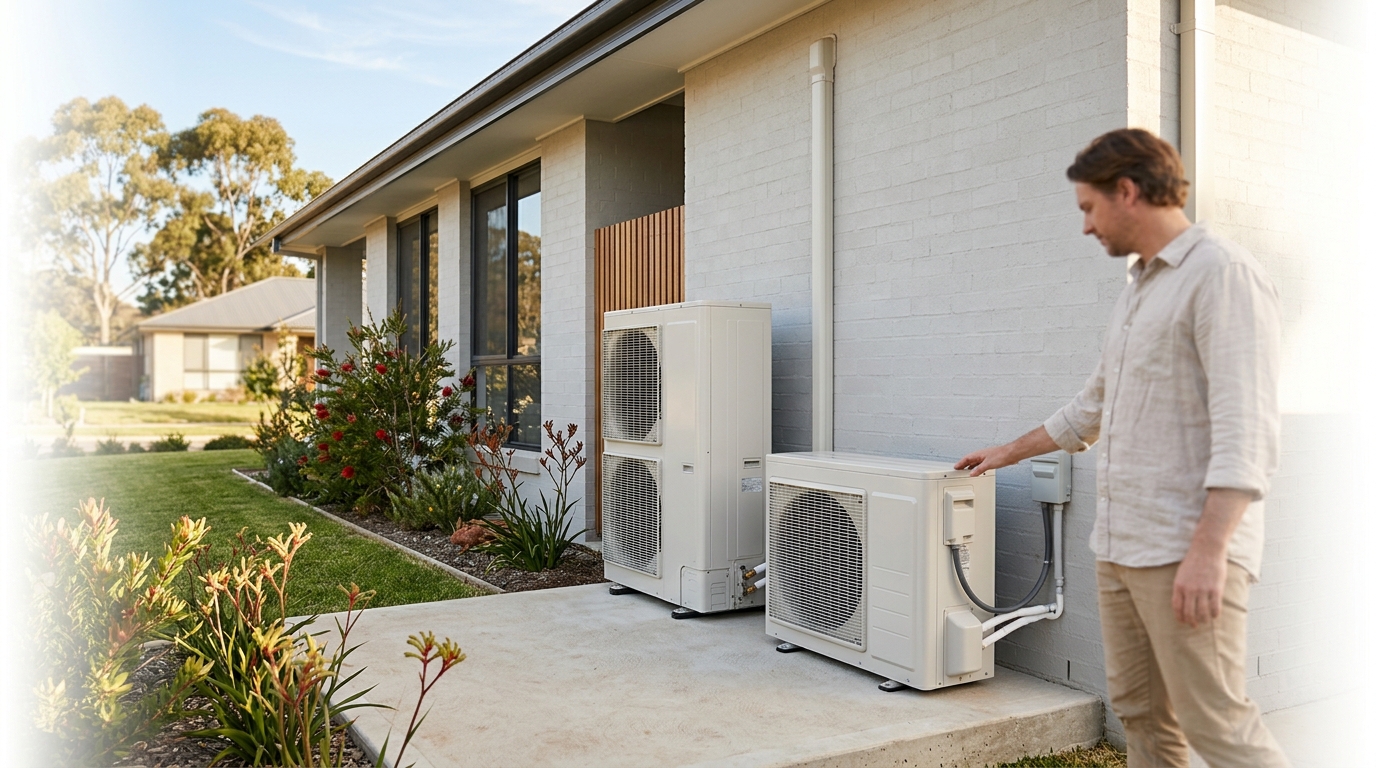
Heat Pump vs Air Conditioning: Are They Really Different?
The heat pump vs air conditioning debate confuses a lot of Australian buyers, and honestly, the confusion is understandable. These two terms get used interchangeably in some contexts and treated as completely separate technologies in others. The short answer is that in Australia, a reverse-cycle air conditioner and a heat pump are the same thing. They use identical technology, just marketed under different names depending on the industry or country.
This article cuts through the terminology and explains exactly how each system works, where the real efficiency differences lie, what you can expect to pay and which option suits Australian conditions best. By the end, you will have a clear picture of what to buy and why.
Key takeaways
- Heat pump vs air conditioning is a false choice in Australia. Reverse-cycle systems are heat pumps that both heat and cool.
- Reverse-cycle systems deliver three to five units of heat for every unit of electricity consumed, making them far more efficient than electric heaters.
- Most Australian homes benefit from a single reverse-cycle split system rather than separate cooling and heating appliances.
How Each System Actually Works
Both cooling-only air conditioners and reverse-cycle systems (heat pumps) are built around the same fundamental process: the refrigeration cycle. A refrigerant fluid circulates between an indoor unit and an outdoor unit, absorbing and releasing heat energy as it changes between liquid and gas states. The difference between the two system types comes down to whether that cycle can run in reverse.
Cooling-Only Air Conditioners
A cooling-only air conditioner works in one direction. Warm indoor air is drawn across the evaporator coils inside the unit, where the refrigerant absorbs the heat from that air. The now-cooled air is pushed back into the room, while the refrigerant carries the absorbed heat to the outdoor unit and releases it outside.
These units do one job well, but that one job is all they can do. They cannot produce heat. In the Australian residential market, cooling-only split systems have become increasingly rare. Most homeowners want year-round comfort, and a system that sits idle through winter offers poor value. You will still find cooling-only units in some commercial settings or older homes, but they are not the default choice for new installations.
Reverse-Cycle Air Conditioners (Heat Pumps)
A reverse-cycle air conditioner adds one critical component to the standard refrigeration setup: a reversing valve. This valve allows the system to flip the direction of the refrigerant cycle. In cooling mode, it works exactly like a cooling-only unit, pulling heat out of your indoor air and dumping it outside. In heating mode, the cycle reverses and the system extracts heat energy from the outdoor air, even on cold days, and transfers it indoors.
This is the same process used by heat pumps in the hot water and hydronic heating industries, which is why the term 'heat pump' is used interchangeably with 'reverse-cycle air conditioner' in Australia. Virtually every split system sold in the Australian residential market today is reverse-cycle. So if you have been wondering whether you need a heat pump or an air conditioner, the answer for most Australian homes is that you are already looking at the same product. The Daikin 8.5kW XL Premium Inverter Split System FTXM85WVMA ($2,909) and the Mitsubishi Electric 5kW AP Series MSZ-AP50VGKD ($1,653) are both reverse-cycle split systems, meaning both are heat pumps in the truest sense of the term.
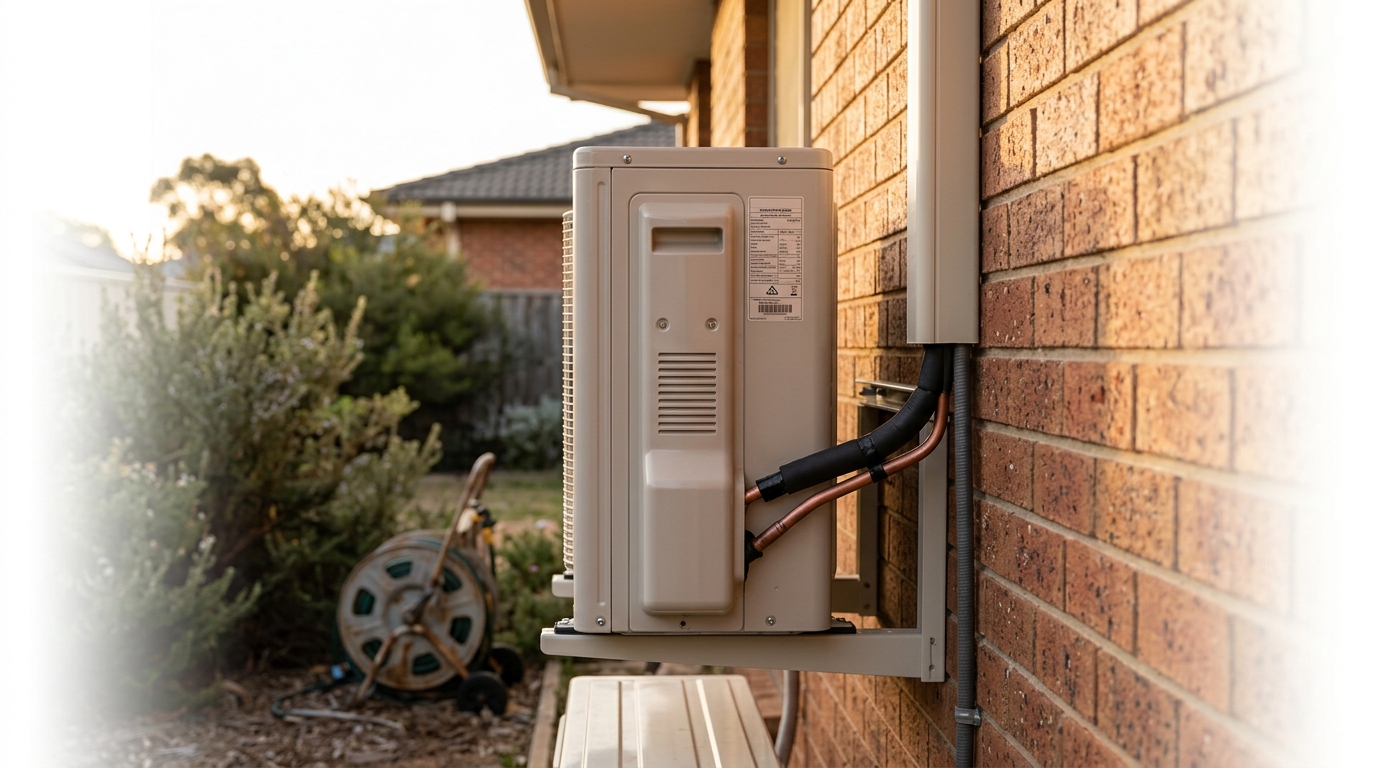
Heat Pump vs Air Conditioning: Key Differences Compared
Cooling-only air conditioners and reverse-cycle heat pump split systems share the same core technology, but they differ significantly in capability, efficiency and long-term value. The table below compares both system types across the six criteria that matter most to Australian buyers.
| Feature | Cooling-Only Air Conditioner | Reverse-Cycle Heat Pump (Split System) |
|---|---|---|
| Heating capability | None | Yes, highly efficient heat pump heating |
| Cooling capability | Yes | Yes, identical to cooling-only performance |
| Energy efficiency (COP/EER) | EER only (cooling); typically 3.0–4.0 | EER for cooling and COP for heating; COP typically 3.5–5.5 |
| Upfront cost range | Generally lower, though new units are increasingly rare | $1,040–$2,909+ depending on capacity and brand |
| Running cost | Lower if cooling only; higher overall if a separate heater is also needed | Lower year-round running cost for homes needing both heating and cooling |
| Best suited for | Tropical climates with minimal heating demand; some commercial applications | Most Australian homes across temperate, cool and subtropical climates |
Browse our full range of split system air conditioners to compare reverse-cycle models by capacity, brand and price.
The efficiency advantage of a reverse-cycle heat pump is most obvious in heating mode. Rather than generating heat by burning fuel or converting electricity directly into warmth, a heat pump moves existing heat energy from the outdoor air into your home. For every unit of electricity consumed, a quality reverse-cycle system delivers three to five units of heat energy. That ratio, known as the Coefficient of Performance (COP), is why heat pumps run circles around electric bar heaters and gas systems on a cost-per-kilowatt-hour basis.
On upfront cost, cooling-only units do carry a lower price tag where you can still find them. But that saving evaporates quickly if you also need heating. Add a gas heater, electric panel heater or ducted gas system to the equation and your total outlay climbs well above what a reverse-cycle split system would have cost. The Daikin 8.5kW XL Premium Inverter Split System FTXM85WVMA at $2,909 and the Mitsubishi Electric 5kW AP Series MSZ-AP50VGKD at $1,653 are both reverse-cycle systems that handle heating and cooling in a single unit, with no secondary heating appliance required.
Running costs tell a similar story. A cooling-only unit used purely for summer cooling may have lower annual electricity bills than a reverse-cycle system used year-round. But for any household that runs heating through autumn and winter, the reverse-cycle system wins on total annual running cost. The efficiency gap between a heat pump and resistive electric heating is simply too large to ignore.
Which System Is Right for Your Australian Home?
For most Australian households, a reverse-cycle heat pump split system is the practical default. It handles both heating and cooling in one unit, runs efficiently across a wide range of temperatures and is available at every price point. The right choice depends on your climate zone, how you use your home and how you weigh upfront cost against long-term savings.
If you only need cooling for a few months each year and live in a tropical region where winter temperatures rarely drop below 15 degrees, a cooling-only unit could technically meet your needs. The catch is that new cooling-only residential split systems are genuinely hard to find in 2026. The market has moved almost entirely to reverse-cycle, and for good reason. Even in Darwin or Cairns, a reverse-cycle system gives you the option of heating on the occasional cool night without any extra cost or equipment.
For buyers in Sydney, Melbourne, Adelaide or Canberra, the decision is straightforward. These climates demand real heating through winter and real cooling through summer. A reverse-cycle split system is the most efficient and cost-effective way to deliver both. An entry-level option like the Mitsubishi Electric 2.5kW AP Series MSZ-AP25VGKD at $1,040 covers smaller rooms and bedrooms without a large upfront investment. For larger living areas, stepping up in capacity and budget delivers proportionally better comfort and efficiency.
Whole-home comfort seekers should also consider a reverse-cycle ducted system, which uses a single outdoor unit and a network of ceiling ducts to condition every room. Ducted systems carry a higher installation cost but offer centralised control and a clean, unobtrusive look throughout the home.
Consider Your Climate Zone
Australia's climate zones shape which system features matter most. In tropical Queensland, cooling capacity and humidity control are the priority. A high-efficiency unit with a strong Energy Efficiency Ratio (EER) will keep running costs down through long, hot summers. Heating performance is a secondary concern.
In Victoria, Tasmania and the ACT, the calculation flips. Winter temperatures can drop well below zero in alpine and southern regions, and a unit's minimum operating temperature rating becomes critical. Not all reverse-cycle systems perform equally in the cold. Check the manufacturer's specifications for the lowest ambient temperature at which the unit can still produce heat. Daikin split systems are well regarded for cold-climate performance, with several models rated to operate in temperatures as low as minus 15 degrees. In subtropical climates like Brisbane and coastal New South Wales, both heating and cooling matter, but neither dominates as heavily as in the extremes.
Upfront Cost vs Long-Term Running Costs
Reverse-cycle heat pump split systems cost slightly more upfront than cooling-only units, but they replace two appliances in one. A household that buys a cooling-only split system and then adds a gas heater or electric panel heater for winter is spending more in total, not less. Factor in installation costs for both appliances and the gap widens further.
Over a typical system lifespan of 10 to 15 years, the running cost difference is substantial. A heat pump operating at a COP of 4.0 delivers four times the heat output of a standard electric resistance heater running on the same electricity. That means your heating bill could be a quarter of what you would pay with bar heaters or electric panel heaters. Mitsubishi Electric split systems like the AP Series are a reliable entry-level choice that balances a competitive purchase price with strong efficiency ratings, making the long-term maths work in your favour from day one.
FAQ: Heat Pump vs Air Conditioning
Is a heat pump the same as an air conditioner?
In Australia, yes. A reverse-cycle air conditioner and a heat pump use identical technology. Both move heat energy via a refrigerant cycle rather than generating it directly. The term 'heat pump' is more common in the hot water and hydronic heating industries, while 'reverse-cycle air conditioner' is the standard term used by HVAC retailers and installers in the residential market.
Is a heat pump cheaper to run than an air conditioner?
A reverse-cycle heat pump is significantly cheaper to run for heating than any resistive electric heater or gas system. For every unit of electricity consumed, a quality reverse-cycle system delivers three to five units of heat energy. For cooling, running costs are comparable to a cooling-only air conditioner of the same capacity and efficiency rating.
Do I need a heat pump or an air conditioner for Australian winters?
For most Australian climates, a reverse-cycle split system covers both needs in a single unit. It cools in summer and heats efficiently in winter without any additional appliance. Buyers in Victoria, Tasmania and the ACT should check that their chosen model is rated to operate at low ambient temperatures, as not all reverse-cycle systems perform equally in cold conditions.
What is the difference between a reverse-cycle air conditioner and a heat pump?
There is no functional difference. Both terms describe a system that uses a reversing valve to run the refrigerant cycle in either direction, extracting heat from outdoor air to warm a space or removing heat from indoor air to cool it. The terminology differs by industry and country, but the underlying technology is the same.
Ready to Choose the Right System for Your Home?
For the vast majority of Australian households, the heat pump vs air conditioning question has a simple answer: a reverse-cycle split system is both. It heats, it cools and it does both more efficiently than running separate appliances. Cooling-only units remain a niche product in 2026, suited to a narrow range of commercial and tropical applications rather than the typical Australian home.
Browse our full range of split system air conditioners to compare reverse-cycle models by capacity, brand and energy rating. If you are looking to condition your whole home in one go, explore our range of ducted air conditioners for a centralised reverse-cycle solution that keeps every room comfortable year-round.
Need expert advice?
Our team can help you choose the right air conditioning system for your space.