
What Is an ARC Licence and Why Does Your Air Con Installer Need One?
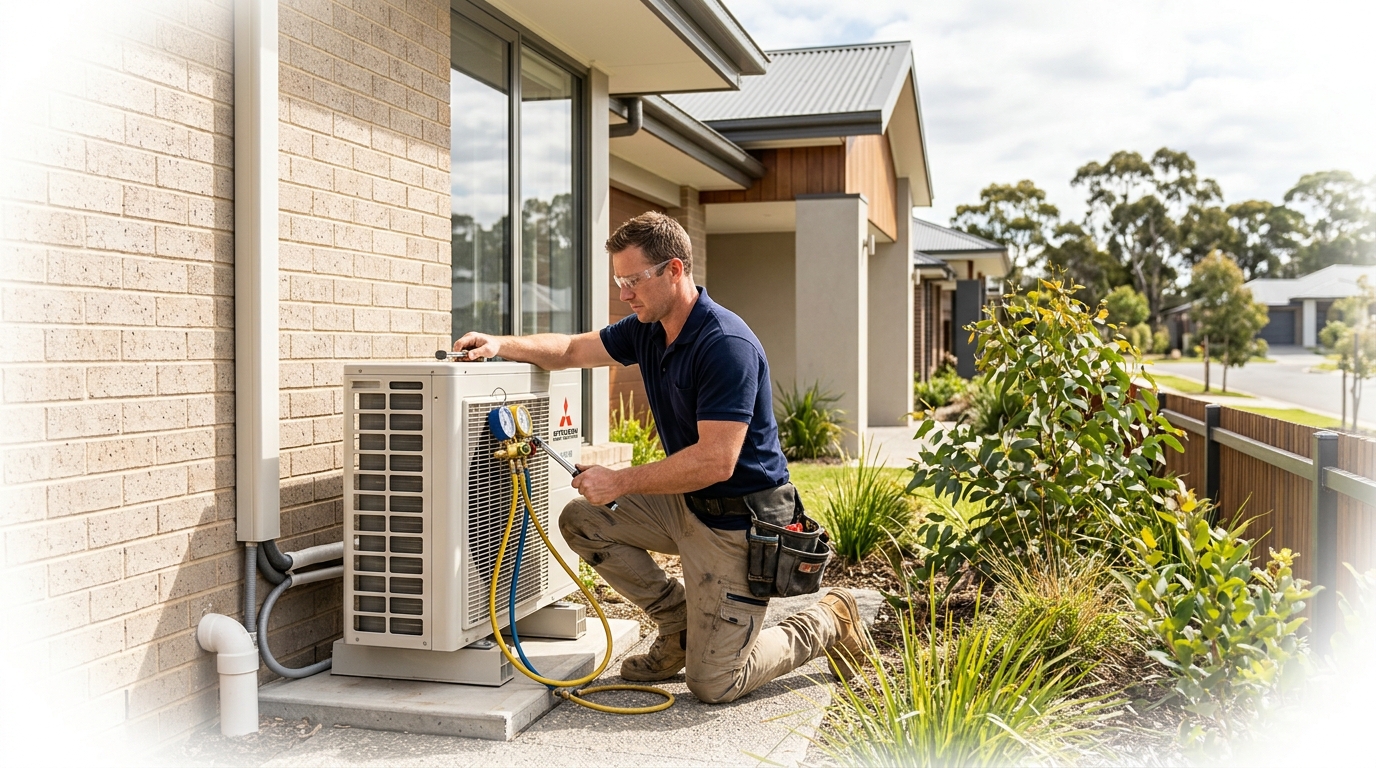
What Is an ARC Licence?
An ARC licence, formally known as a Refrigerant Handling Licence (RHL), is a federal certification that authorises a tradesperson to purchase, handle and work with fluorocarbon refrigerants used in air conditioning and refrigeration equipment. The licence is issued by the Australian Refrigeration Council (ARC), the national body established by the Australian Government to oversee licensing, compliance and education across the refrigeration and air conditioning (RAC) sector.
The ARCtick licence scheme was introduced in 2003 under the Ozone Protection and Synthetic Greenhouse Gas Management Act 1989. That legislation makes it a federal offence to handle fluorocarbon refrigerants, such as R32 or R410A, without holding a valid licence. The penalties are serious and apply regardless of whether the work is carried out on a domestic split system or a large commercial unit.
The ARC maintains a public register of all current licence holders, so homeowners and businesses can verify a technician's credentials before any work begins. If someone offers to install or service your air conditioner without an ARC licence, they are breaking federal law.
Key takeaways
- An ARC licence is a federal requirement to handle fluorocarbon refrigerants in air conditioning installation and service work.
- You can verify any technician's ARC licence in under a minute at lookforthetick.com.au/licence-check.
- Unlicensed installation can void your manufacturer warranty and expose you to liability.
Who Needs to Hold an ARC Licence in Australia?
Any tradesperson who handles fluorocarbon refrigerant as part of their work is legally required to hold a current ARC licence. This covers a broad range of tasks including decanting refrigerant, manufacturing, installing, commissioning, servicing, maintaining and decommissioning RAC equipment. There is no exemption for small jobs or residential work.
The requirement applies nationally, but some states layer additional obligations on top of the federal rules. In Queensland, for example, the Queensland Building and Construction Commission (QBCC) requires all contractor licence holders to also maintain a current Refrigerant Handling Licence. Letting an RHL lapse while holding a QBCC contractor licence can put the entire contractor licence at risk.
This matters directly to anyone buying a new air conditioner. Popular entry-level units like the Daikin 2.5kW Inverter Split System LITE (FTXF25WVMA, from $989) and the Mitsubishi Electric 2.5kW AP Series Split System (MSZAP25VGKD, from $1,040) both use fluorocarbon refrigerant. The technician connecting the refrigerant circuit on either unit must hold a valid ARC licence. Hiring an unlicensed installer to save money on the day can void the manufacturer warranty and expose you to liability if something goes wrong.
Split System and Ducted Installations
Both split system and ducted air conditioning installations involve connecting a refrigerant circuit between the indoor and outdoor units. That connection requires the technician to handle fluorocarbon refrigerant, which triggers the ARC licence requirement regardless of the system type or its capacity.
A split system is a single indoor unit paired with one outdoor unit, making it the most common choice for individual rooms or open-plan living areas. A ducted system distributes conditioned air through a network of ceiling or floor ducts to multiple zones across a home. The refrigerant handling involved in commissioning either type is substantively the same, so the licensing obligation is identical. If you are researching your options, browse our range of split system air conditioners or ducted air conditioners to compare models and capacities before you book an installer.
Why an ARC Licence Matters for Your Home and the Environment
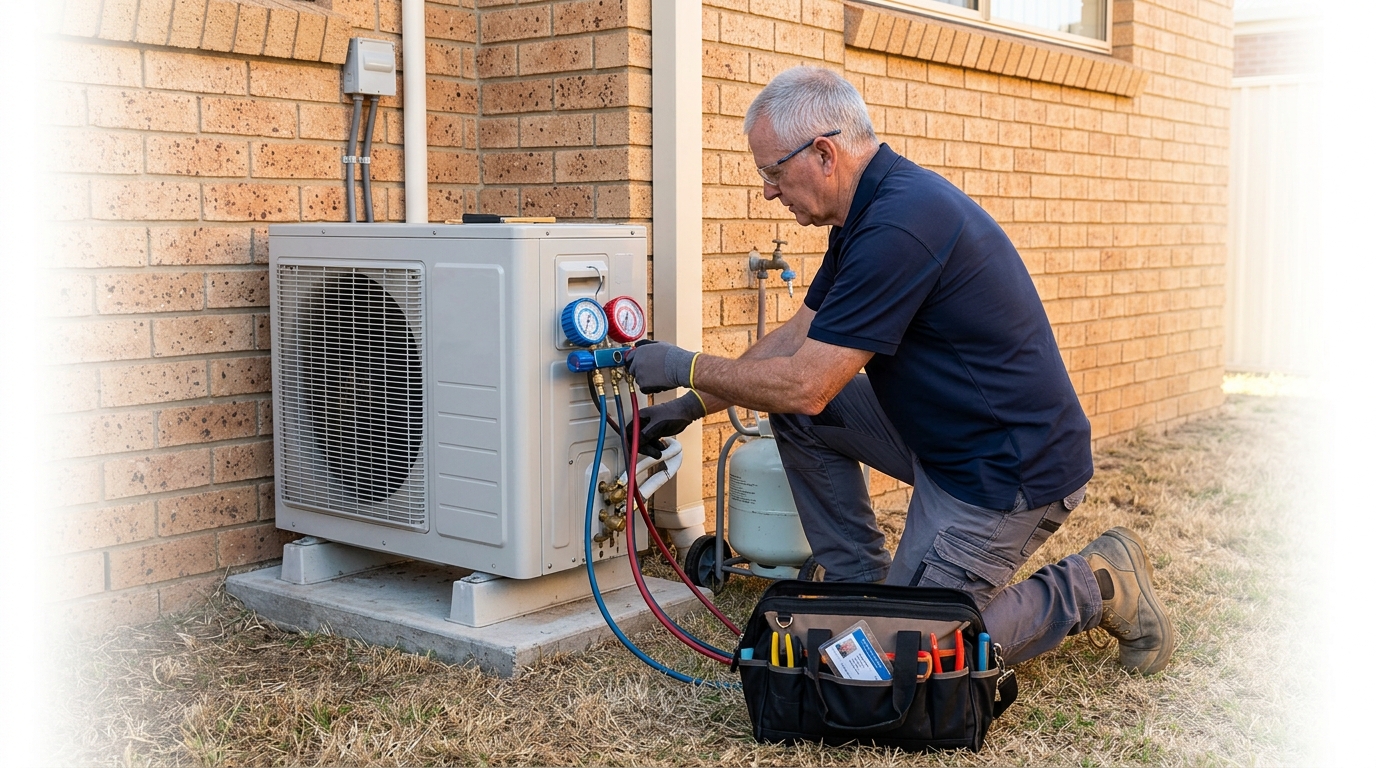
An ARC licence matters to homeowners for three practical reasons. It protects the safety and quality of the installation, it preserves your legal rights under the manufacturer warranty, and it prevents the release of potent synthetic greenhouse gases into the atmosphere. The Ozone Protection and Synthetic Greenhouse Gas Management Act 1989 is the federal law that underpins all of this, and it exists because refrigerant mishandling has real consequences at both the household and environmental level.
From a legal standpoint, most major manufacturers explicitly require licensed installation as a condition of their warranty. If an unlicensed technician handles the refrigerant circuit and something goes wrong, the manufacturer can refuse the warranty claim. Beyond the warranty, a homeowner who knowingly engages an unlicensed operator may also face questions of liability if the installation causes property damage or personal injury.
On the environmental side, the refrigerants used in modern residential air conditioners, including R-410A and R-32, are fluorocarbon gases with global warming potentials hundreds to thousands of times greater than carbon dioxide. A licensed technician is trained and legally obligated to recover and recycle refrigerant rather than vent it. That obligation is not optional. It is the core reason the ARC licence scheme was created.
Refrigerant Leaks: The Hidden Cost of Unlicensed Work
A refrigerant leak caused by poor installation or improper handling does not always announce itself with a dramatic failure. More often, the system quietly loses cooling capacity over weeks or months. The compressor works harder to compensate, energy bills creep up, and the unit may fail well before its expected service life.
A licensed technician is trained to pressure-test the refrigerant circuit, identify any leaks before commissioning, and recharge the system to the manufacturer's specified level. They are also required to use approved recovery equipment to capture any refrigerant removed during servicing rather than releasing it to atmosphere. This protects the system's efficiency, extends its lifespan and keeps fluorocarbon gases out of the environment where they cause the most harm.
How to Check If Your Installer Holds a Valid ARC Licence
You can verify any technician's ARC licence in under a minute using the public search tool at lookforthetick.com.au/licence-check. Enter the technician's name or licence number and the tool will confirm whether the licence is current, what category it covers and when it expires. Always do this check before work begins, not after.
Licences are issued for one or two years and must be renewed before they lapse. A licence that was valid 18 months ago may not be valid today, so a current check matters even if you have used the same technician before. If a tradesperson cannot provide a licence number when asked, treat that as a firm reason to look elsewhere.
The ARC also maintains the ARCtick business directory, which lists pre-verified licensed businesses by location. This is a useful starting point if you are searching for a qualified installer in your area rather than verifying someone you have already found.
As a practical example, consider the Daikin 3.5kW Inverter Split System LITE (FTXF35WVMA, from $1,194). It is one of the most popular entry-level units in Australia, and Daikin's warranty terms require installation by a licensed technician. Skipping the licence check to save a few dollars on labour can cost you the full warranty on a unit worth over $1,000. Browse our range of Daikin split systems to compare models and pricing before you book an installer.
A quick checklist before any installation or service booking:
- Ask the technician for their ARC licence number before confirming the booking.
- Search that number at lookforthetick.com.au/licence-check to confirm it is current.
- Check the licence category covers the type of work being done (residential split system, ducted, etc.).
- Keep a record of the licence number with your installation paperwork in case you need it for a warranty claim later.
Browse Our Range and Buy With Confidence
An ARC licence is not an optional credential or a nice-to-have. It is a federal legal requirement that protects your home, your warranty and the environment. Verifying a technician's licence takes less than a minute at lookforthetick.com.au/licence-check, and that one check can save you thousands in voided warranties or repair costs down the track.
Every air conditioner we stock uses fluorocarbon refrigerant, which means every installation requires a licensed technician. When you buy through Air Conditioning Experts, you can browse our full range of split systems knowing that the units we recommend are designed for professional, licensed installation. We are here to help you find the right system and point you in the right direction every step of the way.
Got a question about a specific model or need help sizing a system for your home? Reach out to our team. We are happy to help.
Frequently Asked Questions
How long does it take to get an ARC license?
The time to get an ARC Refrigerant Handling Licence depends primarily on how long it takes to complete the required training, typically a Certificate II or III in Air Conditioning and Refrigeration through a registered training organisation. Once training is finished and you submit your application to the Australian Refrigeration Council with supporting documents, processing generally takes a few business days. The licence is then valid for one or two years, depending on which option you select at the time of application.
How much is an arc licence?
The ARC Refrigerant Handling Licence costs $89 for a one-year licence or $178 for a two-year licence, as published by the Australian Refrigeration Council for 2026. These fees increased by approximately 3.4% on 1 January 2026 in line with the Wage Price Index. Note that these are the ARC application fees only and do not cover the cost of any required training or assessment through a registered training organisation.
How to get a refrigerant handling licence?
To get a refrigerant handling licence, you first need to complete the relevant RAC trade qualification, such as a Certificate III in Air Conditioning and Refrigeration, through a registered training organisation. Once qualified, you apply directly to the Australian Refrigeration Council via arctick.org with proof of your qualifications and the applicable fee. Keep in mind that some states have additional licensing requirements on top of the ARC licence, such as Queensland's QBCC contractor licence for those carrying out work commercially.
Do you need a licence to clean an air conditioner in Australia?
You do not need an ARC licence to perform routine cleaning tasks such as washing filters or wiping down the indoor unit, and homeowners can carry these out themselves. However, any work that involves opening the refrigerant circuit or handling fluorocarbon refrigerant, including deep servicing, recharging or repairing the system, legally requires a valid ARC Refrigerant Handling Licence. For any service work beyond basic filter cleaning, book a licensed technician to stay on the right side of the law.
Need expert advice?
Our team can help you choose the right air conditioning system for your space.